Weight loss is often made more complicated than it really is. At its core, fat loss comes down to one principle: you must burn more calories than you consume, known as a calorie deficit. But how you create and maintain that deficit — without feeling constantly hungry, tired, or losing muscle — is where science and smart coaching come together.
Understanding the Calorie Deficit
From a medical standpoint, one pound (0.45 kg) of fat stores roughly 3,500 calories. This means that if you maintain a daily deficit of 500 calories, you can expect to lose about one pound per week. However, drastic restriction often backfires — the body slows metabolism, cravings increase, and muscle may be lost along with fat. The better approach is a moderate, consistent deficit paired with exercise and good nutrition.
A gym coach would add that you don’t need to count every calorie obsessively. Instead, focus on portion control, choosing nutrient-dense foods, and balancing activity levels with intake. Using smaller plates, cutting out liquid calories like soda, and replacing processed snacks with whole foods are simple but powerful changes.
The Role of Cardio in Fat Loss
Cardio is an effective tool to help create a calorie deficit, but not all cardio is equal. Doctors recognize the cardiovascular benefits of aerobic exercise, such as lowering blood pressure, improving circulation, and reducing the risk of heart disease. Coaches see cardio as a fat-burning aid that complements strength training, not a replacement for it.
The best forms of cardio for fat loss include:
- Walking and jogging: Low-impact, sustainable, and easy to do daily. Even brisk walking burns significant calories over time.
- Cycling: Gentle on the joints while providing a high-calorie burn.
- Swimming: A full-body workout that builds endurance and burns fat.
- High-Intensity Interval Training (HIIT): Short bursts of intense effort followed by rest. Studies show HIIT can burn fat faster and improve metabolism more effectively than steady-state cardio.
The key is consistency. A doctor would recommend at least 150 minutes of moderate cardio per week, while a coach would remind you to choose activities you enjoy so you’ll actually stick with them.
Nutrition: The Foundation of Weight Loss
Food is where fat loss is truly won or lost. A calorie deficit built on processed junk will leave you tired and nutrient-deprived, while the same deficit built on whole foods will keep you energized and protect your muscle mass.
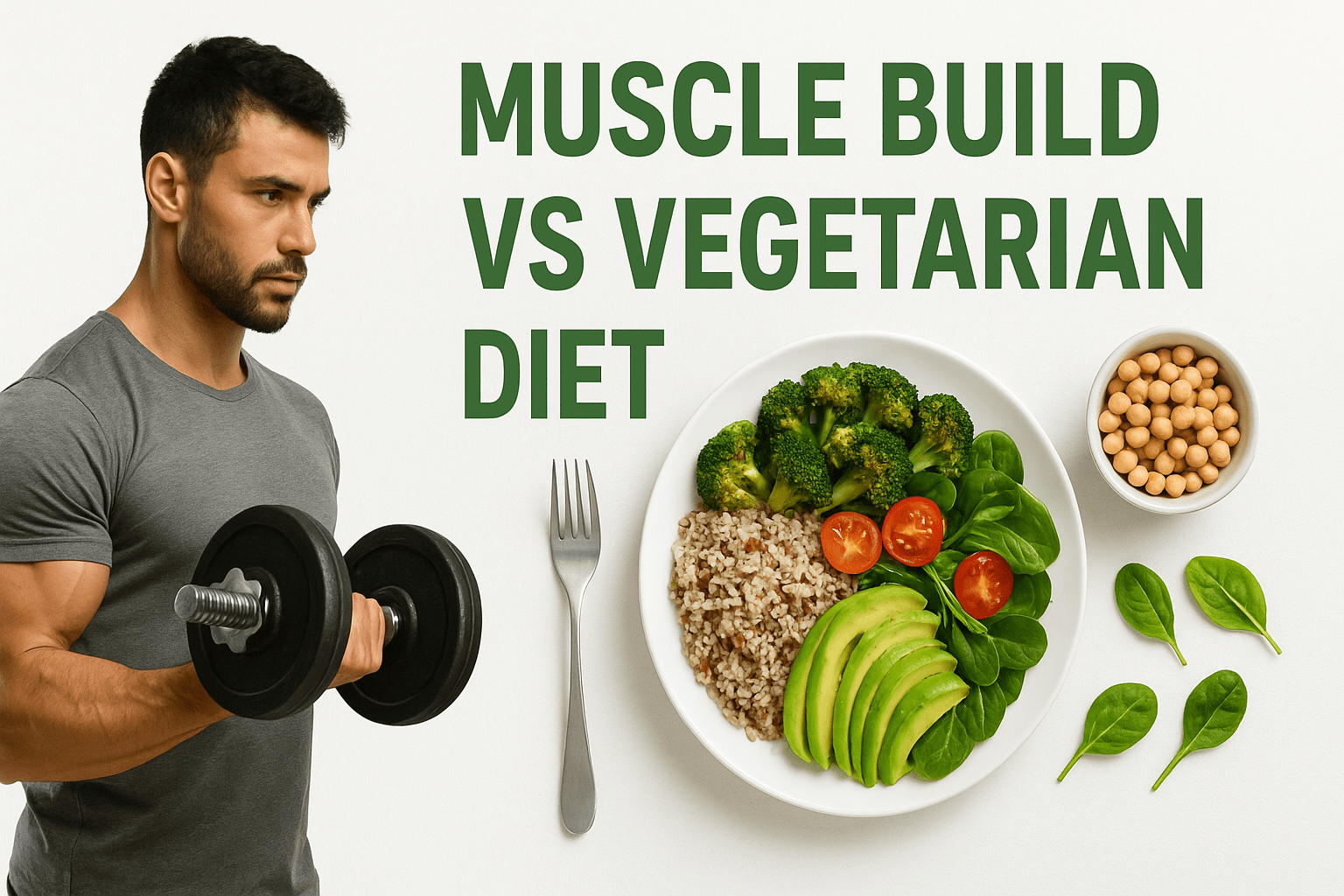
The best foods for fat loss are those that are high in nutrients but relatively low in calories. Lean proteins like chicken, fish, eggs, and legumes help preserve muscle and increase satiety. Fiber-rich vegetables such as spinach, broccoli, and carrots keep you full while supporting digestion. Healthy fats from avocados, nuts, seeds, and olive oil promote hormonal balance, while complex carbohydrates from oats, sweet potatoes, and brown rice provide steady energy for workouts.
A doctor would highlight that protein is especially important during calorie restriction, as it helps prevent muscle breakdown and boosts metabolism. A coach would add that preparing meals ahead of time and avoiding processed “diet foods” makes it much easier to stay consistent.
Timing: When to Eat for Maximum Effect
While total calories and food quality matter most, timing can give you an edge. Eating protein-rich meals evenly spaced throughout the day supports muscle repair and reduces hunger. Many athletes prefer a high-protein breakfast to stabilize energy levels early on.
Post-workout nutrition is especially important — consuming a mix of protein and complex carbs within 1–2 hours after training helps replenish glycogen stores and enhances recovery. On the other hand, late-night snacking on high-sugar or high-fat foods often leads to overeating, so setting a “cutoff” time in the evening can prevent unnecessary calorie intake.
Some people find intermittent fasting effective, not because of a special hormonal trick, but because it helps control overall calorie intake by reducing eating windows. However, it’s not necessary for everyone.
Putting It All Together
A doctor would stress safety and sustainability: don’t starve yourself or over train, because long-term health is more important than rapid results. A gym coach would remind you that fat loss is a marathon, not a sprint, and the combination of a small calorie deficit, regular cardio, strength training, and smart nutrition will deliver steady progress.
The formula is simple: eat slightly less than you burn, move consistently, prioritize protein and whole foods, and recover properly. Follow this consistently, and fat loss will happen — without extreme diets or endless hours of cardio.