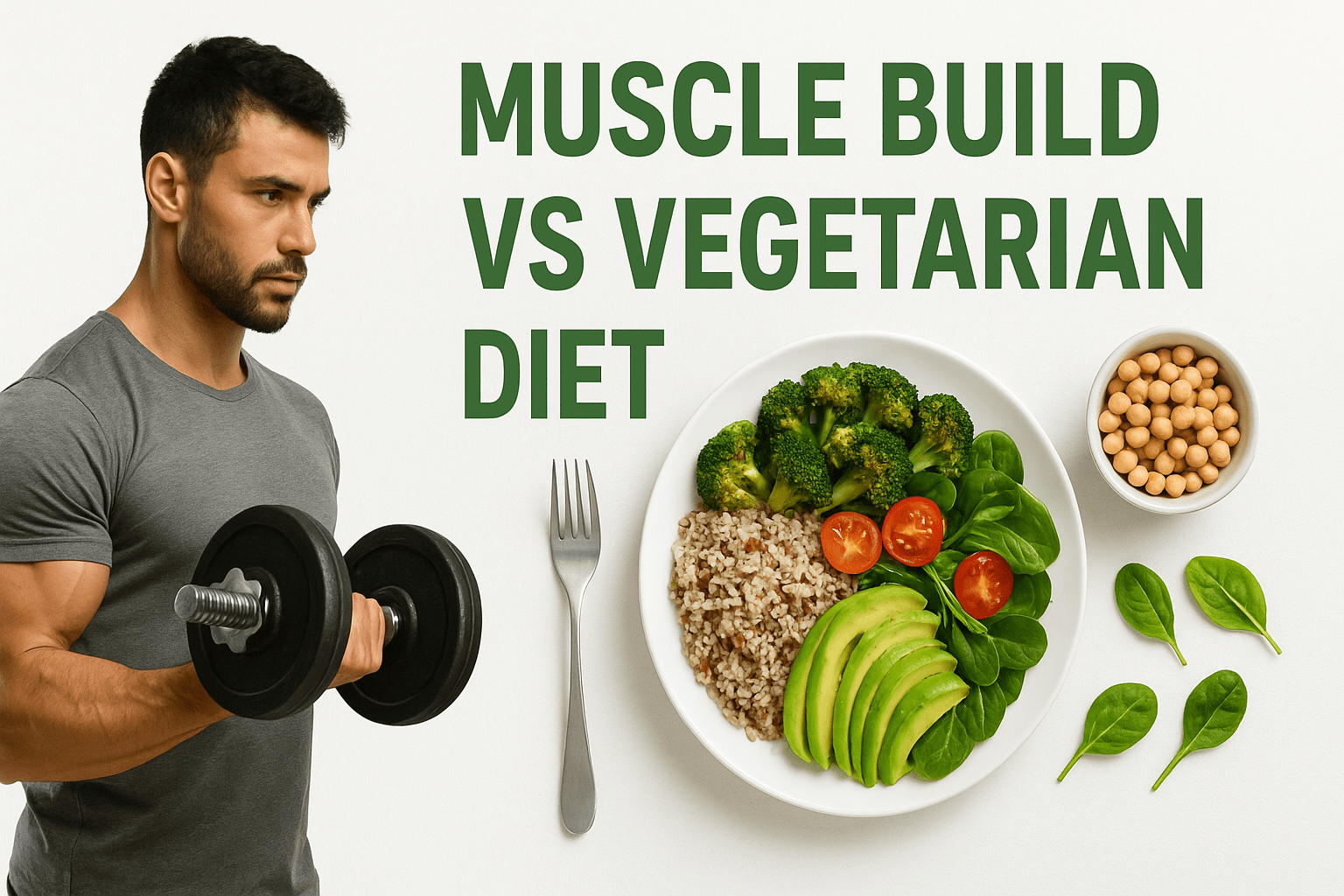
Testosterone is one of the most important hormones when it comes to muscle growth, strength, and overall vitality. While both men and women produce it, men rely on it heavily for developing lean muscle, regulating fat distribution, and maintaining energy levels. As we age, or when stress, poor diet, and lack of sleep take over, testosterone levels can decline. This often results in fatigue, reduced motivation, weaker muscles, and difficulty losing fat. The encouraging truth, however, is that nutrition plays a powerful role in supporting healthy testosterone production. By eating the right foods consistently, it is possible to create the ideal environment for building muscle while keeping hormone levels balanced.
One of the best natural sources for testosterone support comes from whole eggs. Many people focus only on the egg whites for protein, but the yolk is where most of the nutrients that aid testosterone production are found, including vitamin D and cholesterol, which acts as a raw material for hormone synthesis. Similarly, lean red meats provide not only high-quality protein but also essential minerals like zinc and iron. Zinc, in particular, is one of the most critical elements for testosterone production, and deficiencies in it are strongly associated with low hormone levels.
Seafood, especially fatty fish like salmon, mackerel, sardines, and tuna, is another excellent addition. These fish are rich in omega-3 fatty acids, which reduce inflammation and support hormonal balance. They are also a good source of vitamin D, which is often deficient in modern lifestyles where people spend most of their time indoors. For centuries, oysters have been known as a food that boosts male vitality, and science confirms this — they are one of the richest natural sources of zinc, making them extremely beneficial for testosterone health.
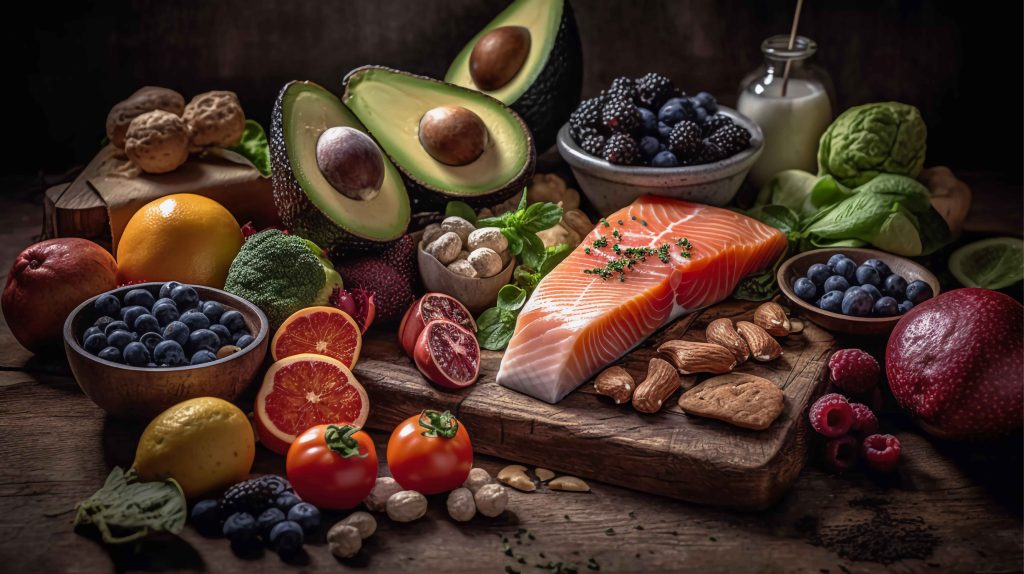
Nuts and seeds, including almonds, walnuts, and Brazil nuts, contribute healthy fats, magnesium, and selenium, all of which are vital for hormone production. A diet too low in healthy fats can actually suppress testosterone, so including foods rich in monounsaturated fats, like olive oil and avocados, also supports optimal levels. At the same time, leafy greens such as spinach provide magnesium, which research suggests is linked to higher free testosterone levels, particularly in physically active individuals.
Even vegetables can play a surprising role in hormone balance. Cruciferous vegetables like broccoli, cauliflower, and cabbage contain natural compounds that help the body regulate estrogen levels. By keeping estrogen in check, these vegetables indirectly promote a healthier testosterone balance. Garlic and onions, meanwhile, have been shown to support testosterone by lowering cortisol, the body’s stress hormone that competes with testosterone. High cortisol levels not only drain energy but also block muscle growth, so lowering it through nutrition can be a game changer for athletes and gym enthusiasts.
Fruits rich in antioxidants, such as berries and pomegranates, may not directly increase testosterone, but they improve blood flow and protect the cells that produce hormones from damage caused by oxidative stress. Better circulation also ensures that muscles receive more oxygen and nutrients during workouts, supporting recovery and growth.
However, food alone is not enough. A doctor would remind you that lifestyle choices such as adequate sleep, managing stress, and maintaining a healthy weight are essential for hormonal balance. Most testosterone is produced during sleep, so getting seven to nine hours of quality rest is non-negotiable. Likewise, a gym coach would emphasize that strength training, particularly lifting heavy weights, is one of the most effective ways to naturally increase testosterone production. When combined with the right nutrition, these habits create a powerful synergy that accelerates muscle development and fat loss.
Ultimately, boosting testosterone and improving muscle mass is not about quick fixes or magic foods. It is about creating a diet and lifestyle that consistently supports hormone health. Eggs, lean meats, fatty fish, nuts, greens, and antioxidant-rich fruits form the foundation, while good sleep, heavy lifting, and stress management provide the lifestyle framework. Together, they build not only stronger muscles but also greater overall vitality, energy, and confidence.